Sustainable Urban Planning: Benefits of Greenspaces in Seoul
- Seunghun Lee
- Jul 5
- 4 min read

Urbanization has transformed cities around the world, often leading to crowded streets, pollution, and a lack of natural environments. In the heart of South Korea, Seoul stands as a prime example of how integrating greenspaces into urban planning can enhance the quality of life for its residents. This blog post explores the various benefits of greenspaces in Seoul, highlighting their role in promoting sustainability, improving public health, and fostering community engagement.
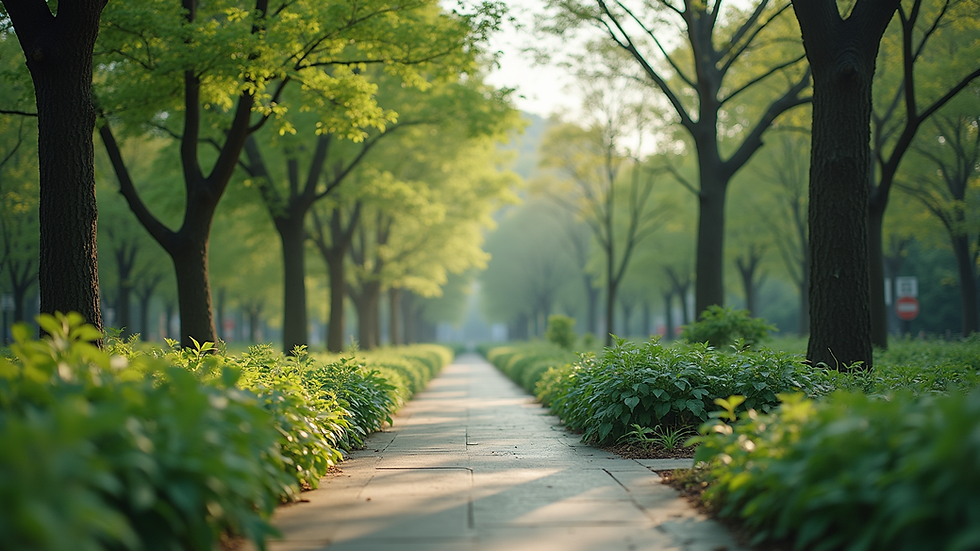
The Importance of Greenspaces in Urban Areas
As cities expand, the need for greenspaces becomes increasingly critical. Greenspaces, which include parks, gardens, and green roofs, serve multiple functions in urban environments:
Environmental Benefits: They help reduce air pollution, lower urban temperatures, and manage stormwater runoff.
Social Benefits: Greenspaces provide areas for recreation, relaxation, and social interaction, fostering community ties.
Health Benefits: Access to nature has been linked to improved mental and physical health, reducing stress and promoting active lifestyles.
In Seoul, the integration of greenspaces into urban planning has been a strategic move to address these challenges.
Historical Context of Greenspaces in Seoul
Seoul's journey towards sustainable urban planning began in the late 20th century. Rapid industrialization and urbanization led to significant environmental degradation. Recognizing the need for change, city planners and policymakers started to prioritize greenspaces.
One of the landmark projects was the restoration of the Cheonggyecheon Stream in 2003. This once-polluted waterway was transformed into a vibrant public space, reconnecting residents with nature and revitalizing the surrounding neighborhoods. The success of this project set a precedent for future greenspace initiatives.
Types of Greenspaces in Seoul
Seoul boasts a diverse range of greenspaces, each serving unique purposes and catering to different community needs. Here are some notable examples:
Parks
Seoul is home to numerous parks that offer recreational opportunities and natural beauty.
Namsan Park: Located in the center of the city, this park provides hiking trails, gardens, and panoramic views of Seoul from the N Seoul Tower.
Hangang Park: Stretching along the Han River, this park features bike paths, picnic areas, and water sports facilities, making it a popular destination for both locals and tourists.
Urban Forests
Urban forests play a crucial role in enhancing biodiversity and improving air quality.
Seoul Forest: This expansive park combines natural woodlands, wetlands, and gardens, providing habitats for various species while offering educational programs for visitors.
Green Roofs and Walls
Innovative architectural designs have led to the incorporation of green roofs and walls in many buildings across Seoul.
The Seoul City Hall: Its green roof not only provides insulation but also serves as a public space for relaxation and events.
Benefits of Greenspaces in Seoul
The integration of greenspaces in Seoul has yielded numerous benefits, impacting the environment, public health, and community cohesion.
Environmental Impact
Greenspaces contribute significantly to environmental sustainability in urban areas.
Air Quality Improvement: Trees and plants absorb pollutants and release oxygen, enhancing air quality. Studies have shown that urban greenery can reduce particulate matter levels by up to 30%.
Temperature Regulation: Urban heat islands are a common issue in cities. Greenspaces help mitigate this effect by providing shade and cooling the air through evapotranspiration.
Health Benefits
Access to greenspaces is linked to improved health outcomes.
Physical Activity: Parks and recreational areas encourage physical activity, helping combat obesity and related health issues. A study found that individuals living near parks are 25% more likely to engage in regular exercise.
Mental Well-being: Nature exposure has been shown to reduce stress and anxiety. Greenspaces provide a tranquil environment for relaxation and mindfulness practices.
Social Cohesion
Greenspaces foster community engagement and social interaction.
Public Events: Parks often host cultural events, markets, and festivals, bringing people together and strengthening community bonds.
Inclusive Spaces: Greenspaces cater to diverse populations, providing areas for families, seniors, and individuals with disabilities to enjoy nature and socialize.
Challenges and Future Directions
Despite the many benefits, challenges remain in maintaining and expanding greenspaces in Seoul.
Urban Density
As Seoul continues to grow, the pressure on land resources increases. Finding space for new greenspaces in densely populated areas can be difficult.
Climate Change
Climate change poses a threat to urban greenspaces, with extreme weather events impacting their sustainability.
Future Initiatives
To address these challenges, Seoul is implementing several initiatives:
Green Network Plan: This plan aims to create a connected network of greenspaces throughout the city, enhancing accessibility and ecological resilience.
Community Involvement: Engaging residents in the planning and maintenance of greenspaces ensures that these areas meet community needs and foster a sense of ownership.
Conclusion
The integration of greenspaces in Seoul's urban planning is a testament to the city's commitment to sustainability and quality of life. By prioritizing these natural environments, Seoul not only enhances its ecological footprint but also promotes the health and well-being of its residents. As the city continues to evolve, the ongoing development and maintenance of greenspaces will be crucial in creating a livable, vibrant urban environment for future generations.
As we reflect on the benefits of greenspaces, let us advocate for their preservation and expansion in our own communities. Whether through supporting local parks or participating in urban greening initiatives, every effort counts in fostering a healthier, more sustainable urban future.


Comments